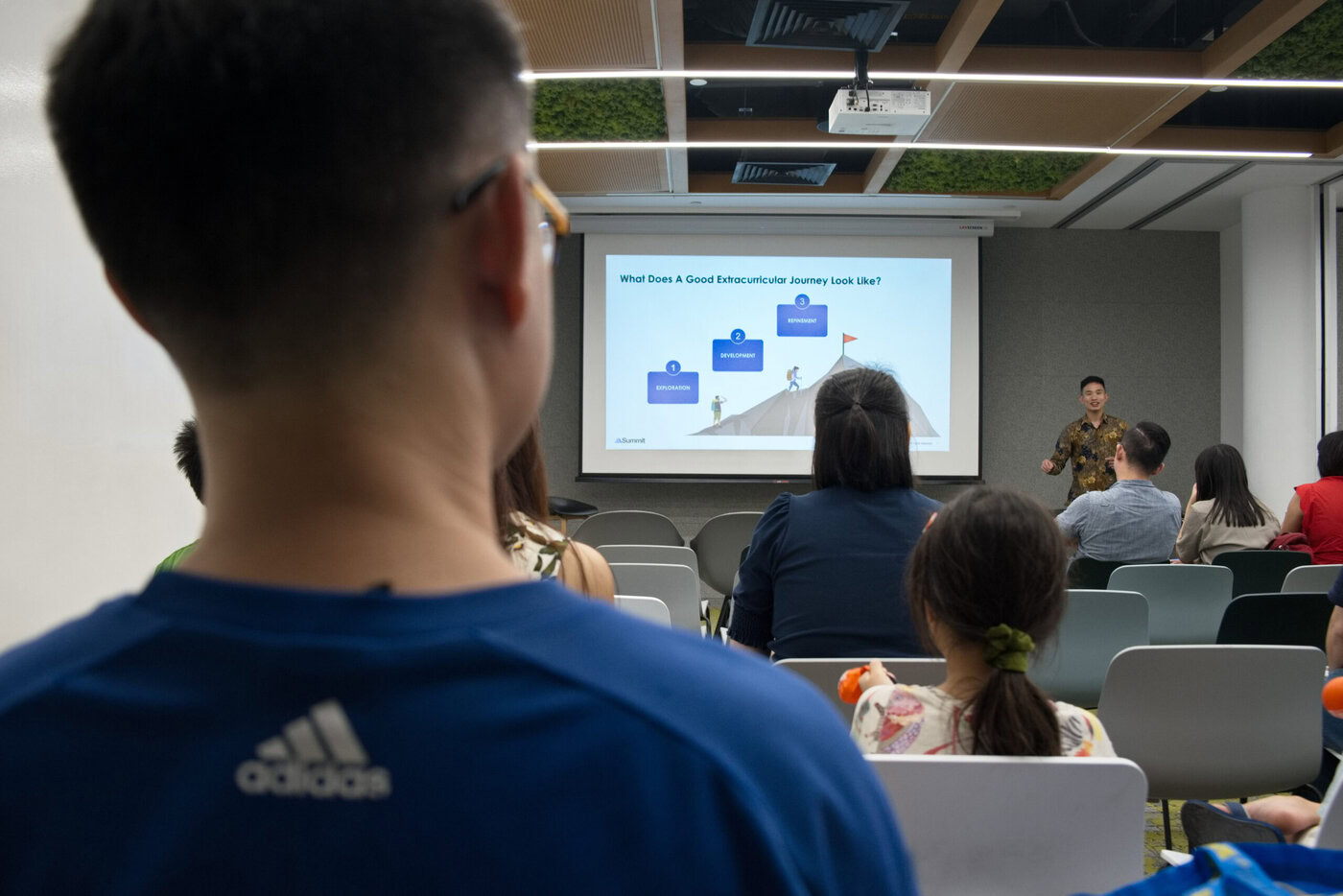
Every year, we speak with dozens of families at the start of their Direct School Admission (DSA) journey. And almost every time, the same questions, anxieties, and assumptions surface. These conversations are so familiar we can often predict what’s coming before the sentence is finished.
That’s exactly why we know how to help.
With years of experience guiding students across a wide range of talents and profiles, our consultants have refined a process that doesn’t just inform — it reshapes how families approach DSA. Below, we break down the most common misconceptions we encounter and how we help families move forward with clarity and confidence.
❌ Misconception 1: “We can figure this out closer to the application window.”
What we see:
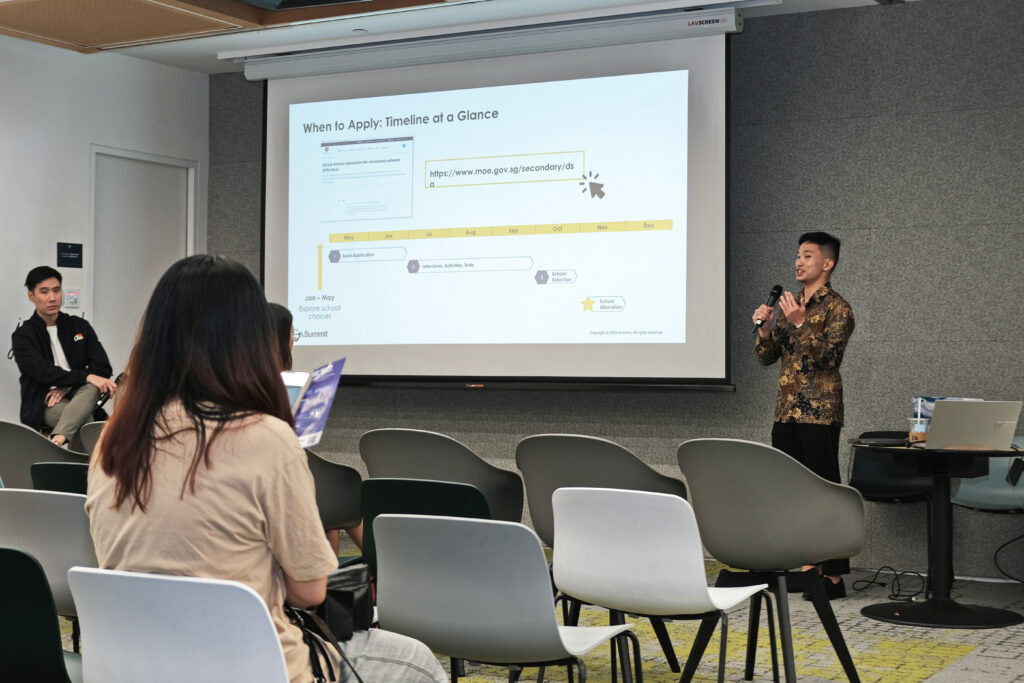
Many families wait until the DSA portal opens, assuming that’s when things truly begin.
What we advise:
The strongest applications are built months or even years earlier. Early preparation allows time to build portfolios, refine narratives, and practise interviews without panic.
Case Study: Starting Early Changed Everything
A student approached us early with a few promising but underdeveloped experiences. Over several months, we helped structure his portfolio, guided him toward one meaningful add-on activity, and gradually built interview confidence through practice. By the time applications opened, the student wasn’t scrambling — he was polished, clear, and ready.
❌ Misconception 2: “Top schools are only for GEP students or national-level winners.”
What we see:
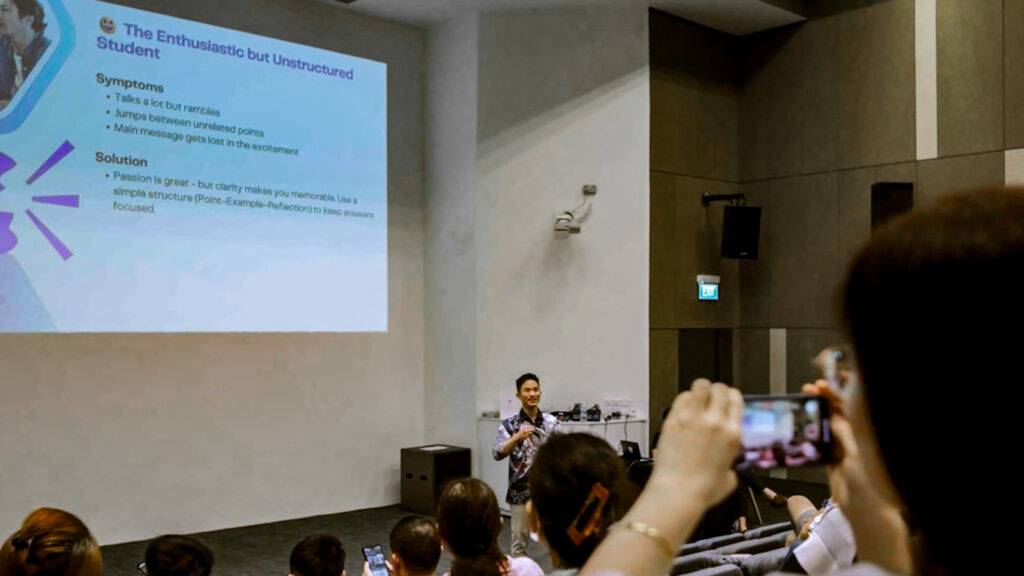
Many families hesitate to apply to elite schools, assuming their child doesn’t fit the “typical mould.”
What we advise:
Top schools are looking for fit and potential, not just accolades. We’ve seen students with quieter, less conventional strengths perform exceptionally well when their interests are framed with clarity and maturity.
Case Study: A Non-Flashy Profile, Presented Well
One student had no major medals and no specialised programme background, but demonstrated consistent curiosity through reading, self-initiated projects, and reflective writing. We helped organise these into a narrative that showed depth and independence. In interviews, the student stood out not for being the “best,” but for being thoughtful, articulate, and clearly aligned with the school’s ethos.
❌ Misconception 3: “My child has collected enough achievements to list down. We’re all set, right?”
What we see:
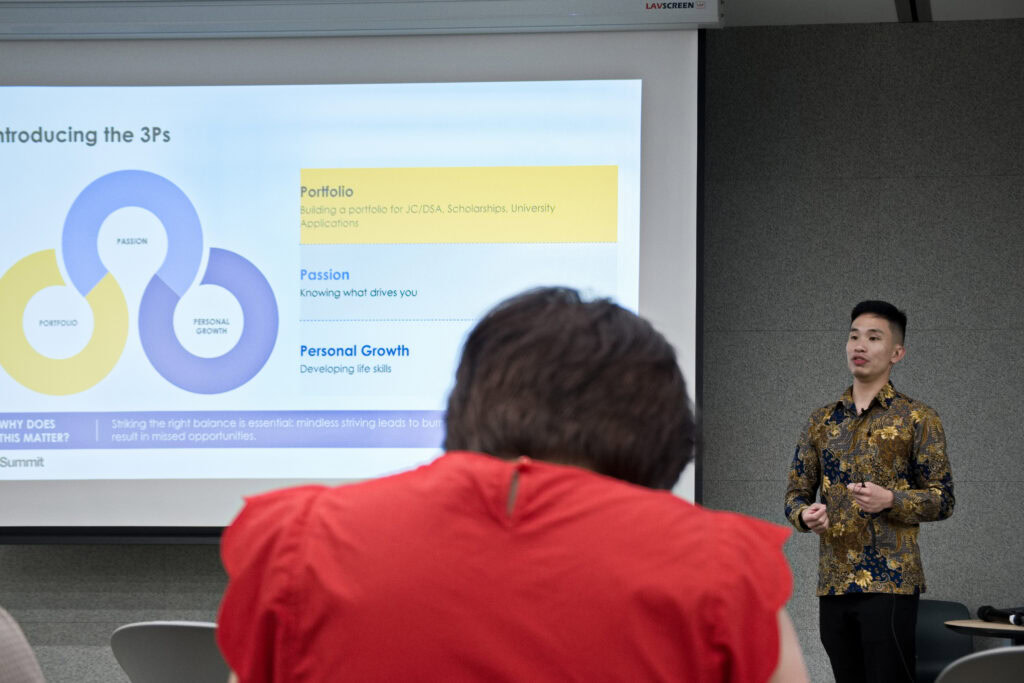
Parents often think a long list of CCAs and awards equals a strong DSA application.
What we advise:
A portfolio isn’t just about volume — it’s about story. We help students turn scattered experiences into coherent narratives, highlighting how their interests connect and evolve.
Case Study: From Achievement Collector to Storyteller
A student came to us with a mix of writing competitions, science quizzes, and a leadership role in school. Impressive on paper, but scattered. We helped the student recognise a theme — curiosity-driven communication — and restructured the portfolio to reflect that. The end result wasn’t more items — it was a stronger, more focused identity.
❌ Misconception 4: “The more domains we apply to, the better the chances.”
What we see:
Some families believe applying across multiple domains (e.g., STEM + English + Leadership) will improve their odds.
What we advise:
DSA panels value clarity. When a student’s applications feel scattered, it raises doubts about authenticity. We help families identify a clear core — and if applying to more than one domain, we make sure there’s a strategic link.
Case Study: From Three Domains to One Strong Narrative
A family initially planned to submit across three unrelated domains. After reviewing the student’s strengths, we anchored the application in a single primary domain with a complementary secondary thread. The student’s application no longer felt like a gamble — it read like a story with purpose.
❌ Misconception 5: “The interview is just a conversation.”
What we see:
Parents often underestimate the complexity of DSA interviews, assuming students only need to be polite and confident.
What we advise:
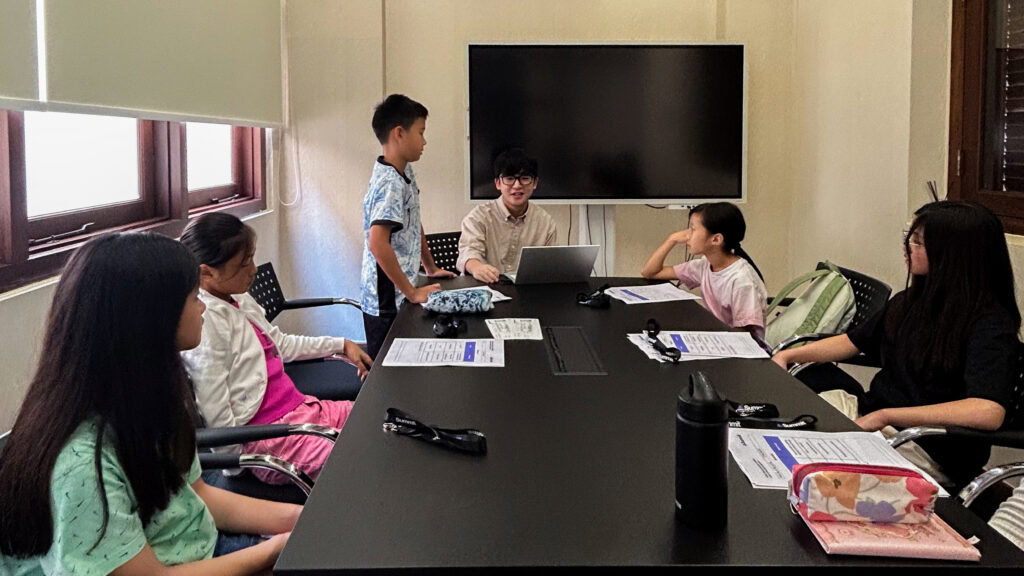
DSA interviews are structured evaluations of thinking, values, and fit. We prepare students to answer why questions clearly, reflect on their experiences honestly, and tailor responses to school-specific values.
Case Study: Replacing Labels with Substance
In a mock interview, one student described herself as a “natural leader.” But the answers sounded vague. We helped her replace generic labels with real stories — including a project that required navigating disagreement. Her responses became more grounded, more human — and more impressive to real panels.
💼 Why Families Trust Us
These misconceptions aren’t rare — they’re the norm. In every consultation, our goal isn’t just to give advice, but to help families see their child’s profile differently and build a strategy that actually fits.
✅ A diverse team of mentors: Our team includes graduates from Oxford, Cambridge, UCLA, SMU, Imperial College London, and Duke-NUS — holding advanced degrees in Law, Medicine, Engineering, and Finance.
✅ Scholarship recipients: We’ve been offered competitive awards — including the PSC Scholarship, Lee Kong Chian Scholars Programme, University Scholarship Programme and NGS PhD Scholarship — and we know how it’s done.
✅ We’ve been on both sides of the table: From scholarship boards to corporate recruitment, we know what decision-makers look for — and we teach students how to stand out authentically.
✅ Proven frameworks that turn scattered achievements into focused narratives that resonate in both portfolios and interviews.
✅ Expertise across all major DSA domains: STEM, Humanities, Leadership, Performing Arts, Sports, and more.
At Think Teach, we go beyond academic excellence. We help students articulate their voice, shape their story, and present themselves with confidence — not just for DSA, but for life.W
Ready to Start Your DSA Journey Right?
Whether you’re just beginning or feeling unsure about your child’s profile, we’re here to guide you with clarity and strategy — not guesswork.
You can take your next step in two ways:
👥 Join Our Free Online Webinar
Get an insider’s perspective on the DSA process. In this session, our team will break down what really matters in applications, how top schools assess candidates, and common pitfalls to avoid — with time for live Q&A.
💬 Prefer a Personalised Evaluation?
Our 1‑to‑1 consultation gives you focused, honest advice tailored to your child’s profile — including domain strategy, school fit, and portfolio readiness.
Let us help your child stand out — for who they truly are.