If you’re a parent of a child in secondary school, this question has probably crossed your mind more than once: How involved should I be in their academics?
It’s a tricky one, isn’t it? Over the years, we’ve had countless parents ask us for advice as their child transitions to secondary school. Despite our experience, there’s no straightforward answer.
Why? Because, as with most things in life, the answer is it depends.
How involved you should be depends on a few factors such as your child’s personality as a student, your approach as a parent, and the dynamics of your relationship with your child.
In short, different strokes for different folks.
Today, we’re sharing our thoughts, shaped by our conversations with parents, our observations as educators, and our friendships with students.
Let’s break it down.
1. Understand Your Child as a Student
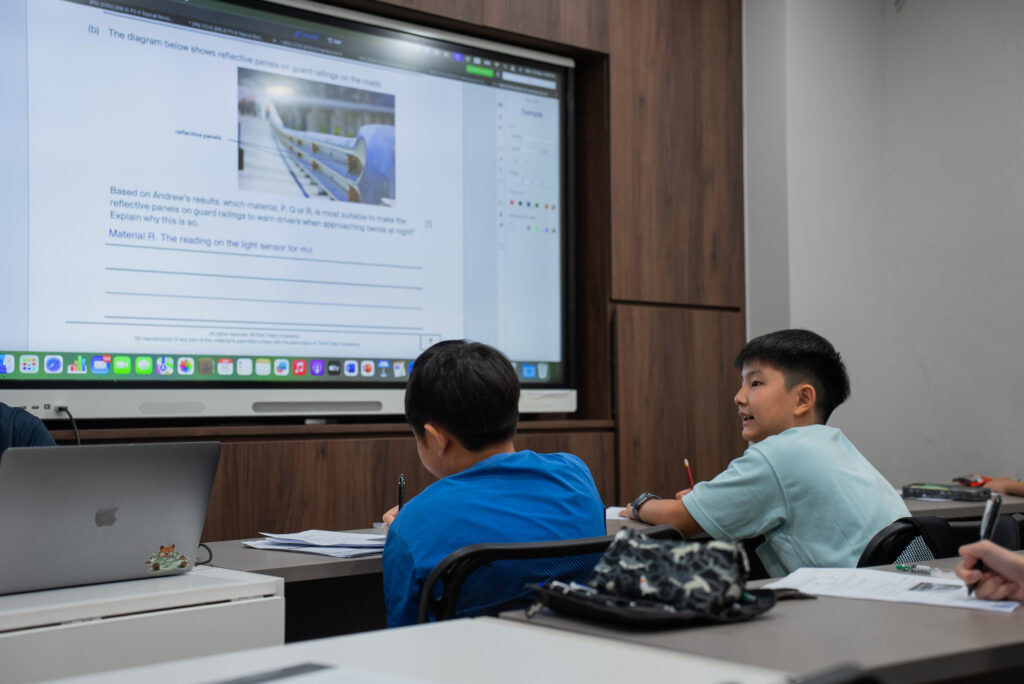
Here’s the truth: the child you knew in primary school won’t be the same in secondary school.
Your leopard will change its spots. Whether that’s good news or bad depends on what the change looks like.
Think about it. You’ve already seen how your child evolved during P4 to P6. Maybe in P4, they were reluctant about homework, and you often worried about their lack of seriousness. But as PSLE drew closer, you noticed something shift and that they became more motivated and focused.
The same can happen in secondary school, but it takes time to observe and understand these changes. Secondary school is a big leap, and your child is navigating multiple transitions.
The number of subjects doubles, which means more to juggle. The next major exams, O‑Levels or A‑Levels, are years away, so there’s less immediate pressure. Or your child may be in an environment where studying isn’t considered “cool,” and doing well could mean risking being called a “nerd.”
Just like you, your child is figuring things out. And it’s during this period that they might surprise you with how they adapt.
In the best-case scenario, your child remains as motivated as they were in primary school or even more so. Maybe they’re driven by a desire to excel or inspired to improve after being disappointed with their PSLE results.
In these cases, your role becomes straightforward. These students will often come to you directly, saying things like, “Mum, I need tuition!” or “Dad, I need help with this subject.” When this happens, your level of involvement will largely depend on what they ask for and not what you impose.
The more common scenario is this: your child becomes less focused on schoolwork in secondary school. Why?
They’re overwhelmed by the sheer number of subjects. They’re busy with co-curricular activities (CCAs) or socializing with friends. Or they’re just going along with the crowd because many of their friends are also in the same boat.
Does this mean you should start panicking?
Not necessarily.
This is all part of growing up. Your child is maturing, learning how to be independent, and figuring out how to balance their responsibilities. This is also the time when they may discover a “superpower” they never knew they had: the ability to burn the midnight oil.
Some might even surprise you by becoming “closet muggers.” These are the students who appear to be playing all the time but secretly find time to study and still manage to do well.
2. Understand Your Approach as a Parent
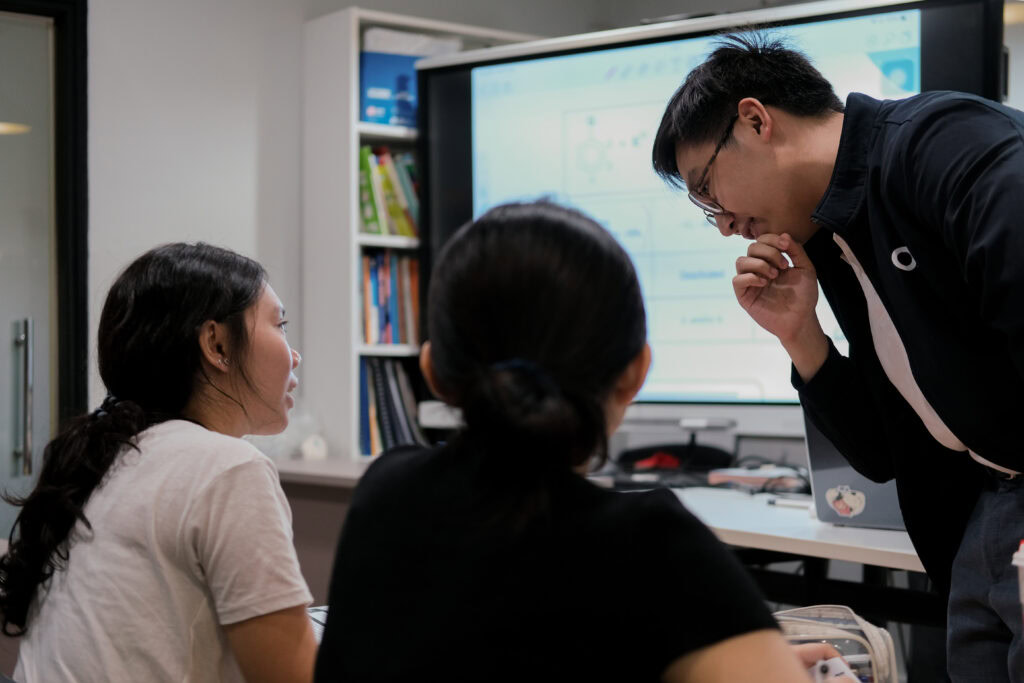
Here’s a hard truth: the secondary school syllabus is much more technical than what you were used to in primary school. Unless you have a degree in Chemistry or Mathematics, tutoring your child like you once did may no longer be an option.
That’s why it’s so important to understand how much you can help.
If you’re unable to provide academic assistance, don’t feel inadequate as a parent. Instead, support your child in other meaningful ways.
Be available when they need help. Not just with schoolwork, but also as a listening ear or a shoulder to lean on when things get overwhelming.
Let them share their struggles without fear of judgment. If they come to you with disappointing grades or requests for tuition, avoid criticism. Instead, focus on helping them find solutions.
Your support and encouragement can be the difference between them giving up or giving it their all.
3. Recognise How the Parent-Child Dynamics Have Changed
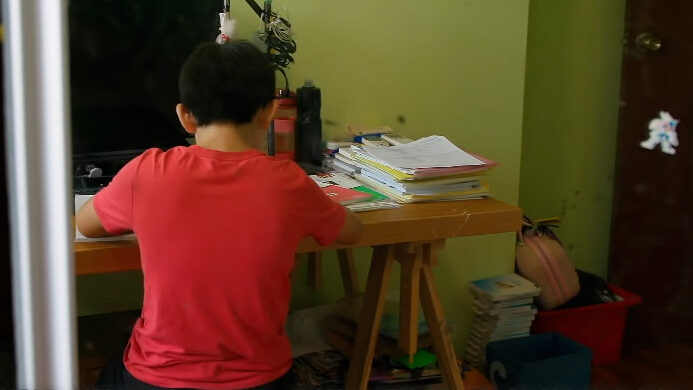
As your child grows, so does the relationship you share. Unlike in primary school, when they followed your instructions and attended every enrichment class you signed them up for, things are different now.
They want and expect more trust from you as a parent.
This doesn’t mean you should play the “cool parent” and act indifferent to their school life. It means walking a fine line: showing that you care without being overly intrusive.
For instance, keep an appropriate distance that lets them feel independent while also reminding them that you’re there if they need you. Be careful in your daily interactions whether it’s asking how their day was, checking in on assignments, or casually discussing their plans for exams.
The key is to remain involved without micromanaging.
Because here’s the reality: if your relationship with your child breaks down, it’s hard to repair.
A complete disconnect where they shut you out and you have no idea what’s going on in their life is a risk every parent wants to avoid. And yes, we’ve seen this happen, no matter how great the parent-child relationship might have seemed in the past.

Ultimately, the goal isn’t just about grades — it’s about raising a child who grows in confidence and independence, knowing they’re supported every step of the way. As your child prepares to transition into Secondary school, it’s no longer just about learning content — it’s about navigating complexity, managing expectations, and developing the mindset to thrive in a fast-changing world.
At Think Teach, we believe this next chapter deserves the same thoughtfulness, rigour, and heart that guided your child through the primary years. That’s why we created Macro — our Secondary and JC arm — to carry that vision forward.
With a curriculum designed for depth, clarity and strategy, Macro continues our mission of helping students think smart, learn deeply, and grow into their best selves — both in and out of the classroom.
Discover how Macro can support your child’s next academic journey: